One of the foundational principles of media literacy and research is to consider the source. All media is written by people and people represent companies with agendas and goals of their own. Any time someone posts an article from a source I’ve never heard of, I Google it. Why? Because when weighing whether that source is worthy of my time or my attention I need to know who produced it, so I can consider if their goal is to educate, inform, or persuade. Intent matters.
There have been two examples as of late that kind of baffled me that they gained any traction.
The first was Plandemic. I noticed several people had reshared it, so I looked at the link. The description said it was an interview with Dr. Judy Mikovits. So I opened up Google and popped her name into the search bar. At that time there wasn’t anything related to the video on the search results. There were several headlines that stated that her work had been retracted by reputable peer reviewed journals. That was all I needed to know. I didn’t watch the video.
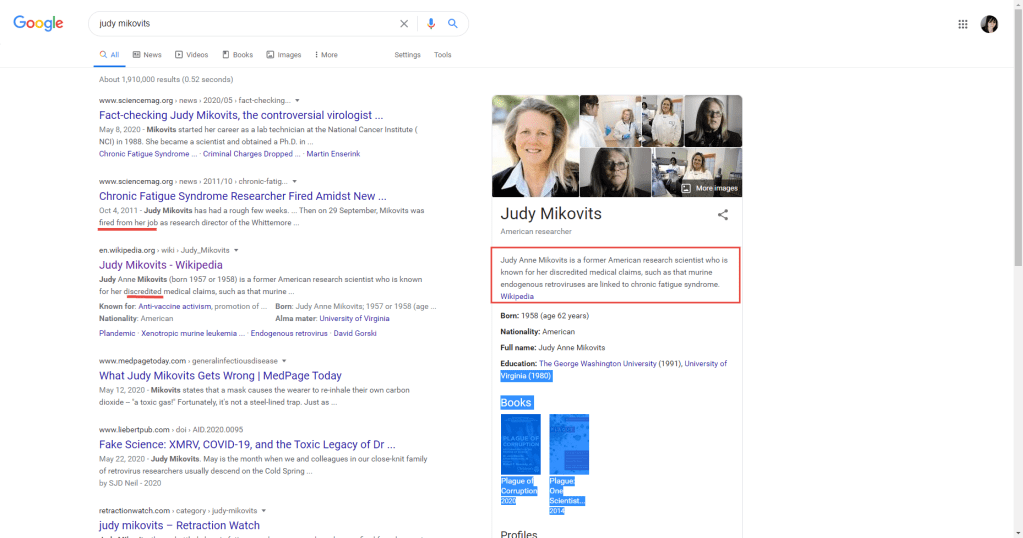
Consider the source.
The second video that surprised me was posted to Youtube by Candace Owens. I again opened up Google and typed in her name. Her job is conservative commentator and political activist. So right away, what this tells me is anything she has to say is political commentary. Is that a bad thing? Not always. Political commentary should be take as such. It tends to represent an ideology. In my experience political commentary doesn’t do anything but confirm what someone already believes. It’s also often rife with logical fallacies, but that is a topic for another day.
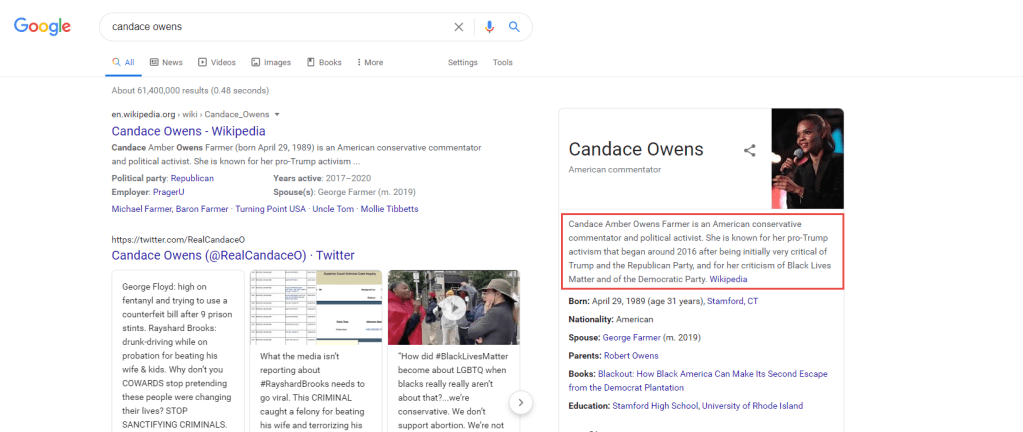
Consider the source if you will.
 The Fair Thought